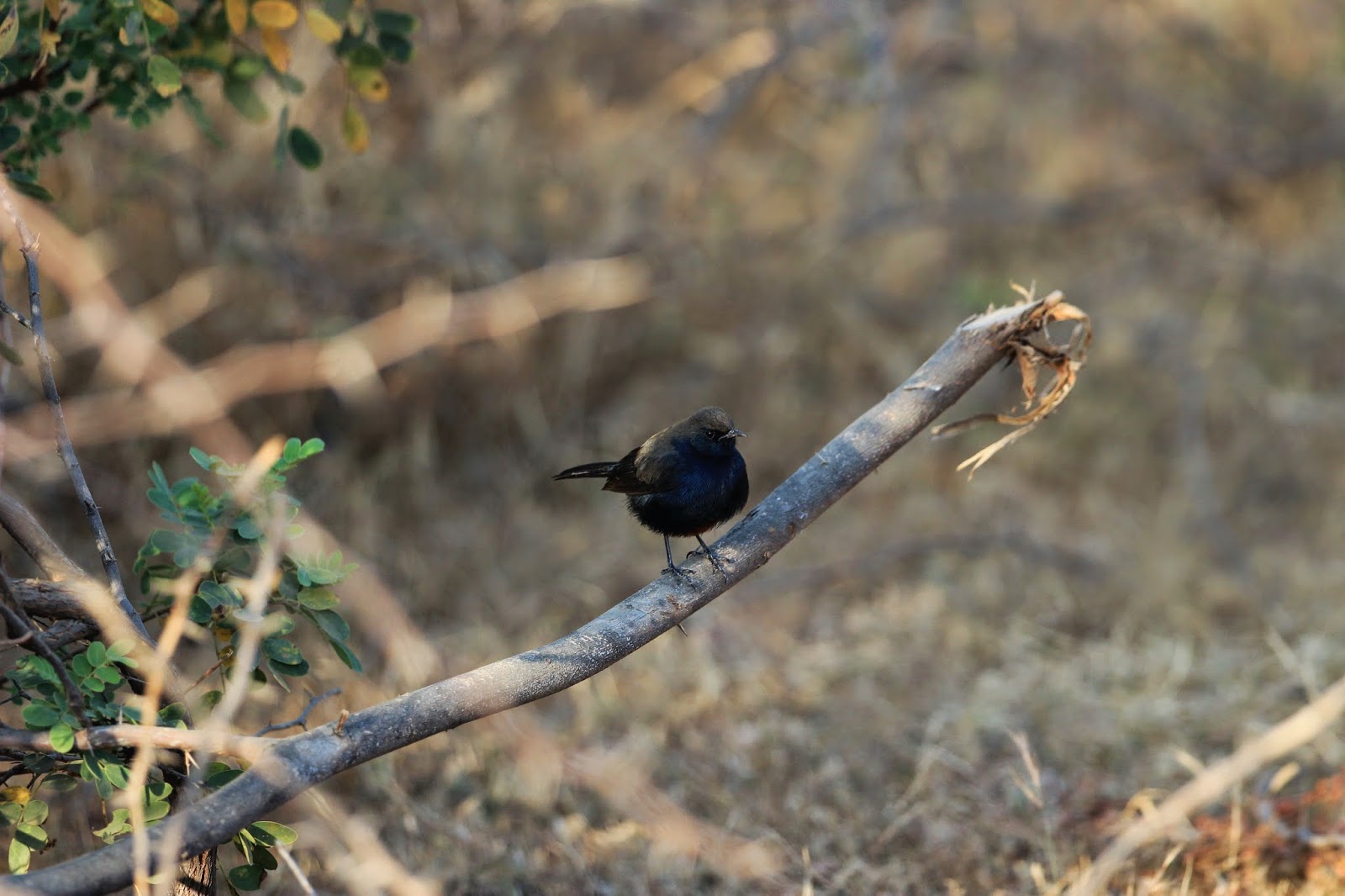
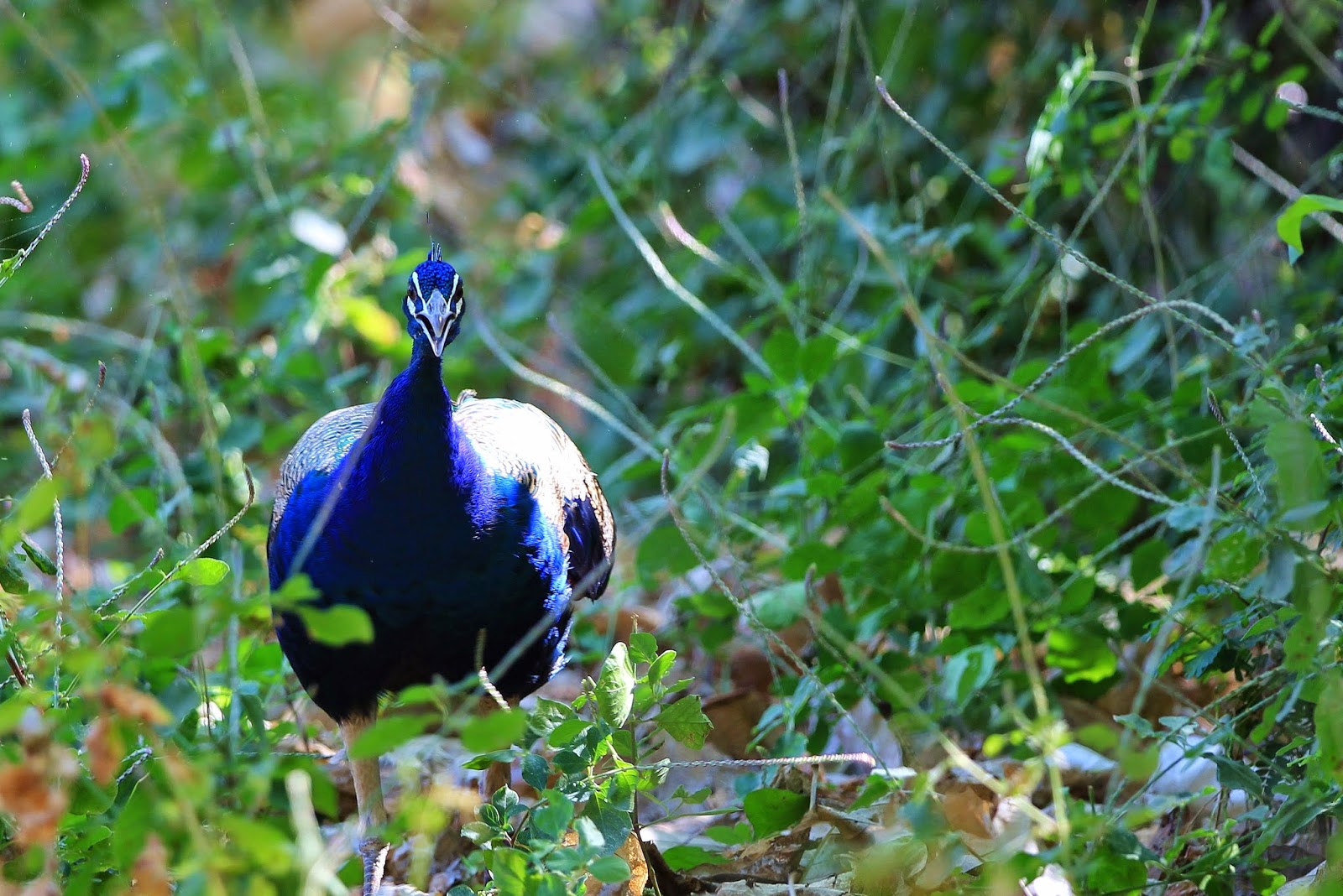
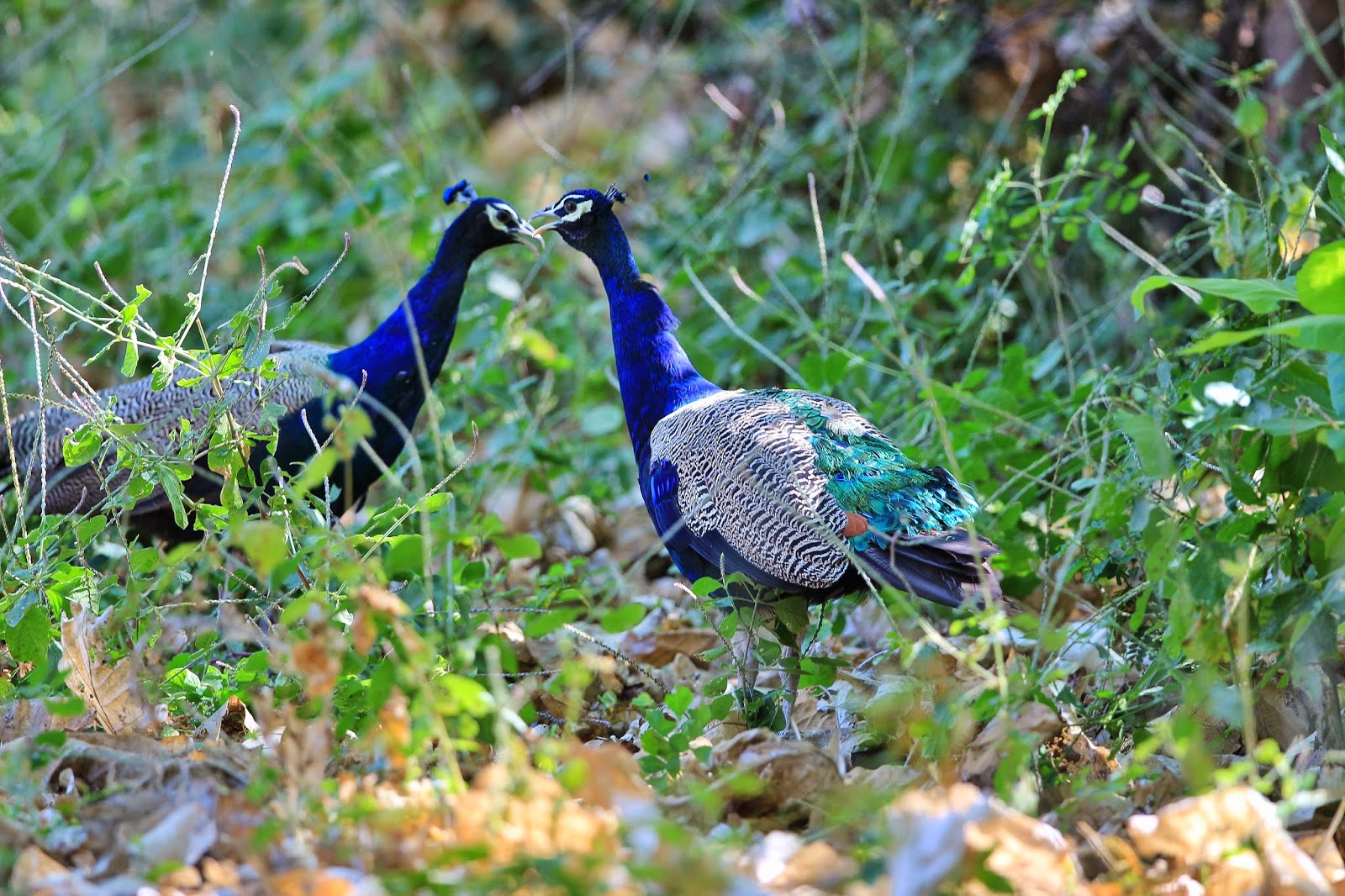
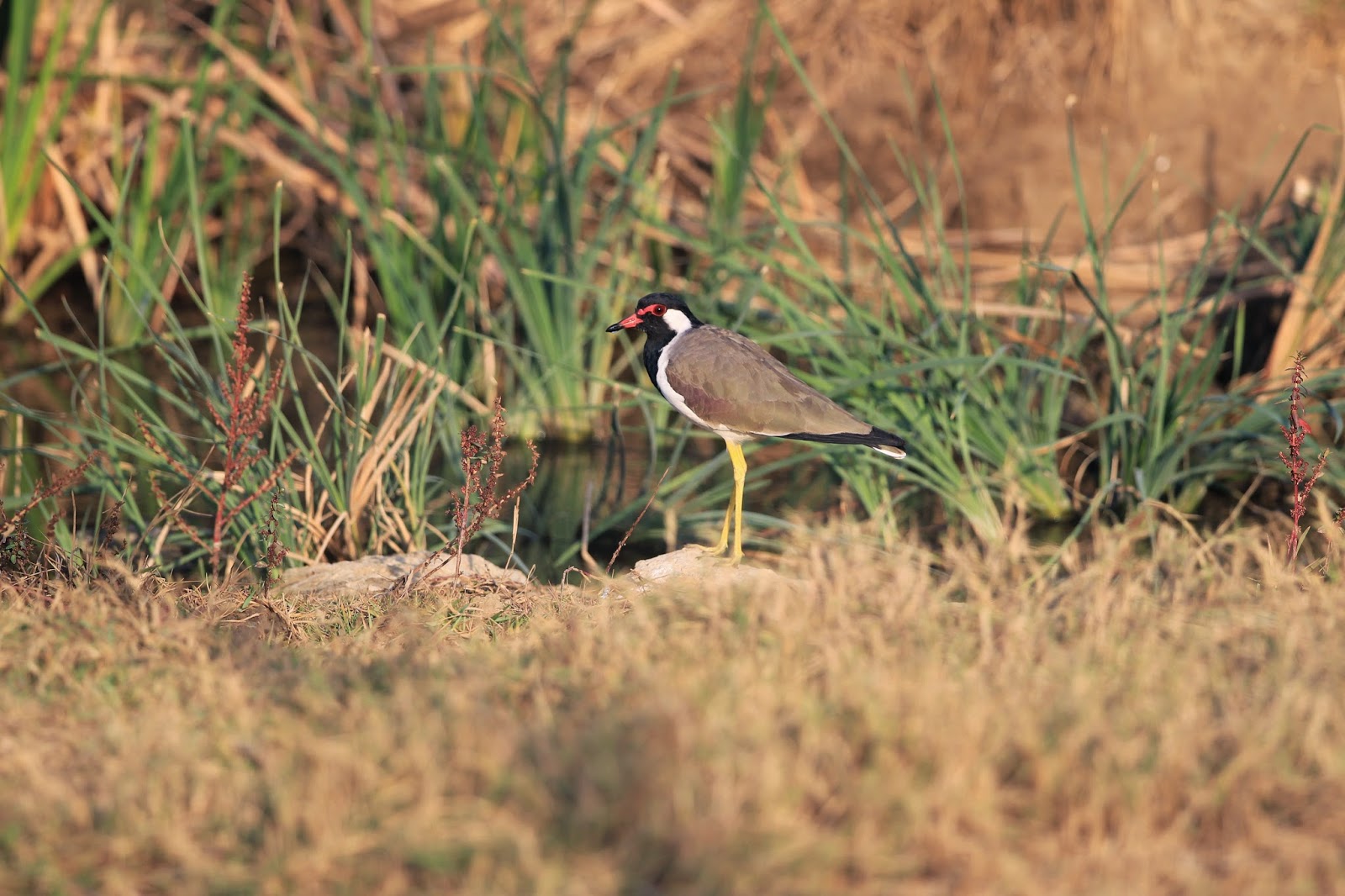
Friday 7 August 2009

Turtle watching at Ras Al Hadd, Oman

Turtles are amongst the oldest and important marine species living in the Omani waters.Marine turtles are cold-blooded reptiles and their distribution is restricted to the warmer areas of the world. Oman is one of the very rare places in the world where turtles can be watched freely and calmly. Turtle nesting attracts hundreds of visitors to Ras al Hadd each year to watch the site at close quarters.

There are two routes that lead to Ras Al Hadd .One which we took a year ago and travelled five hours. These are some of the sites we saw.


The new route has a different view all together.The rocky shores with absolutely blue-green waters along one side of the road and the mountains on the other.A beautiful site!


Sinkhole -is in the middle of nowhere, it used to be a cavern but over time the roof collapsed in and formed this vast hole which is full of the most amazing crystal clear water.


After checking in to our hotel at Ras Al Hadd and great dinner at 9:30p.m we set out for a guided walk along the sand to see where giant green turtles laying under the light of the moon.


Next morning we were up at 4:30 as we were told that the turtles head back to the sea.Sunrise by the sea.


This one looks more like a tired mom:)


This one was headed out to the sea.


And she disappeared into the blue waters of the Arabian Sea.


Portrait of a "smiley" camel:)


On our way back -High above was the Egyptian vulture.


Indian Roller.


Monday 27 July 2009

Mosaic Monday.


Thank you Mary for hosting Mosaic Monday.Do check out more mosaics at Little Red House Enjoy and have a great Monday!

Sunday 19 July 2009

Oman-Ostrich Farm

Ostrich Farm in Barka,Oman is about one and a half hours drive from Muscat. Even though it is named Ostrich Farm along with a flock of ostriches it is also home to a several sleepy crocodiles , horses and camels.
Ostriches are the largest bird species living in the world, flightless but capable of great pace (speeds of up to 70km/h have been recorded) and lays the largest egg of any bird species. The feathers of adult males are mostly black, with white at the ends of the wings and in the tail. Females and young males are greyish-brown and white. The head and neck of both male and female Ostriches is nearly bare, female and male ostriches alternate sitting on their eggs. The female sits on the eggs in the daytime, and the male sits on the eggs at night. They retain water from all the plants they eat. Their eyes are protected from desert sand storms by thick eyelashes. They use their wings to help them balance when running, and for displays. Male ostriches also use their wings for courtship displays.


Guess this ostrich wants to have a fly for his meal:)


Why are you staring at me?I know I am good looking...


Female Ostrich


Male Ostrich


Crocodiles are ambush hunters, waiting for fish or land animals to come close, then rushing out to attack. As cold-blooded predators, they are lethargic, therefore survive long periods without food, and rarely need to actively go hunting.Crocodiles do not have sweat glands, so they release heat through their mouths. Consequently, they often sleep with their mouth open and may even pant like a dog.


We saw a few camels.


Come..Join me for a ride...


A part of the farm being watered.


Wednesday 15 July 2009

Greater Flamingos in flight.

We reached the backwaters of Qurum Park(that's what we call it now).As I waited along with Diya in her pram, Arunava decided to check out the place where we had last spotted the Greater Flamingos.As he approached the spot we heard the loud and scolding did-he-do-it call of the Red-wattled Lapwings(they are the first ones to warn others of any approaching danger) and saw a few Great blue herons and Great Egrets take off and the next thing we saw were these Greater Flamingos in the sky.What a sight it was!!Hope you enjoy it as much as we did.

That tiny bird flying is the Red-wattled Lapwing warning the Greater Flamingos to take off:).


So off they went...


Higher and higher...


The others followed pursuit.


Over the trees,towards the mountains they flew higher and higher...


This is all we saw in the sky as they flew away.Hopeful that they will be back soon.

Sunday 12 July 2009

Backwaters at Qurum Park

Tucked away a few hundred metres behind the popular Qurum Park is this untouched patch of about 200meters of stagnant water , fed by high tide of the Arabian sea, is an oasis of life , a stone throw distance from human habitation. This area shares a boundry with an ampitheatre.
We met another birder there who showed us his prized captured of a Bee-Eater,we were pleasantly surprised by the number of wild visitors we saw.While one of us photographed them the other was with Diya. If she was not watching the dragonflies she was throwing pebbles into the water and as they splashed she smiled.

Great Cormorant.
A large aquatic bird found mainly in warmer and tropical locations, mostly on the sea but at times on inland waters .Cormorants have a heavy body, generally dark plumage and their eyes are green.It is one of the few birds which can move its eyes, which assists in hunting.The feet are webbed, the bill is long with the upper mandible terminally hooked.
Being excellent swimmers, Cormorants chase fish underwater.After fishing, cormorants go ashore, and are frequently seen holding their wings out in the sun.


Curlews.
They are characterised by a long slender downcurved bill and mainly brown plumage brown and long legs.They feed on mud or very soft ground, searching for worms and other invertebrates with their long bills. They will also take crabs and similar items.


Black-winged Stilt.
This is a widely distibuted very long-legged wader in the avocet and stilt family.They have long pink legs, a long thin black bill and are blackish above and white below, with a white head and neck with a varying amount of black. Males have a black back, often with greenish gloss. Females' backs have a brown hue, contrasting with the black remiges.
Immature birds are grey instead of black and have a markedly sandy hue on the wings, with light feather fringes appearing as a whitish line in flight.


Red-wattled Lapwing.
They are large waders,with a red fleshy wattle in front of each eye, black-tipped red bill, and long yellow legs.Males and females are similar in plumage but males have a 5% longer wing and tend to have a longer carpal spur.It usually keeps in pairs or trios in well-watered open country, ploughed fields, grazing land, and margins and dry beds of tanks and puddles.
Its striking appearance is supplemented by its noisy nature, with a loud and scolding did-he-do-it call.


Indian Roller.
They are found in open grassland and light forest areas.The crown and vent are blue. In flight the primaries and secondaries show bright shades of blue. It is known for the aerobatic displays of the male during the breeding season. Males and females are however not readily distinguishable.


Bee-Eater.
As the name suggests, Bee-Eaters predominantly eat flying insects, especially bees and wasps, which are caught in the air by sallies from an open perch.They are characterised by richly coloured plumage, slender bodies, and usually elongated central tail feathers. All are colorful and have long downturned bills and pointed wings, which give them a swallow-like appearance when seen from afar.


Other commom visitors here are:
Red-vented Bulbul


Yellow-vented Bulbul


White-cheeked Bulbul


Night Herons.


Greater Flamingos.


While the photography of wild life is in session we take turns to entertain Diya.


Finally a sunset.


Wednesday 8 July 2009

Herons at Qurum.

When the weather gets a little pleasant Qurum beach and Qurum Park(with the artificial lake) are ideal stop-overs for birds.
We were able to get some shots of the Great Blue Herons and Grey Herons.


Monday 6 July 2009

Mosaic Monday-“Surprise”


We spotted a beautiful bi-colored Bouganvilla “Surprise” (Mary Palmer), which had clear pink-white flowers at Kalbu Park.
Thought of Mosaic Monday stuck me immediately. That’s our two and a half year old daughter(Diya) trying her hand at a few shots:)

Thank you Mary for hosting Mosaic Monday.Do check out more mosaics at Little Red House Enjoy and have a great Monday!

Friday 3 July 2009

Dragonflies at Qurum Natural Park.

Qurum Natural Park is Considered to be the largest park in Muscat,Oman; The park contains an artificial lake (where we have spotted Grey herons, Egrets) a lovely fountain, play ground for children,many date trees.


As the sun sets...


During our walks to the park we spotted many dragonflies like the Crimson Darter,Indigo dropwing, the Purple-blushed Darter or Violet Dropwing and the Broad Scarlet.


Wednesday 1 July 2009

Date palms of Oman

The date palm is the most enduring symbol of the Sultanate's rich heritage.The hot and humid summer with temperatures climbing to 48 degrees Celsius (120 degrees Fahrenheit) make for some of the finest dates in the Sultanate.


The date palm season usually starts around January, when farmers go about the task of facilitating the fertilisation of the female palm tree. From earliest times, fertilisation has been aided by cutting off the male flower cluster just before the stamens ripen and suspending it among the flowers of the female tree.


By June, the first dates become ripe enough to eat. Locally, there are dozens of different date varieties grown like the Al Khalas,Al Khunaizi,Ash Patash, Al Nagal etc.Some are red before they ripen; others are yellow. Some varieties do not dry well and are best eatenwhen ripe. Fresh dates are better than the dried fruit, especially if they are eaten soon after being picked, because fresh dates do not stay fresh more than a few days, even if placed in the refrigerator. These are some dates that Diya picked from the park.


The sunset looks beautiful behind the palm trees.


Wednesday 24 June 2009

Greater Flamingos.

Qurum beach is a respite during the hot summers.
On and off we are there during the weekends.


Qurum beach by dusk.


As we drove past the beach we were plesently
surprised to spot Flamingos on the opposite
side.
Flamingos live in mudflats and shallow coastal
lagoons with salt water.They need lots of quiet
and privacy. From the road you can only see
bits of pink in the distance without binoculars.
A gray flamingo is a young one. The young
flamingos aren't as jitterish as the adults.
Males and females look alike, although the
male is a little larger.
When an area no longer provides enough food,
the flamingos will migrate to another location
at night.


Here are some close shots we were able to get
when we were on our trip to Masirah Island in
Nov'08.


Monday 22 June 2009

Mosaic Monday.


Stopping by hibiscus buds,Kalbu Park.

Thank you Mary for hosting Mosaic Monday.
Do check out more mosaics at Little Red House
Enjoy and have a great Monday!

Wednesday 17 June 2009

Painted Ladies at Kalbu Park.

Kalbu Park is where we usually spend our evenings.
The park has quite a few date trees(which is very
common here).Its the season for dates(fruit) to
ripen and are ready to be eaten.The Arabian sea
nearly surrounds the park and overlooks the Muscat
Port,making it very pleasant in the evenings.


As the sun sets, this is what we witness.


At times,as the sun starts to set in the west
we also see the moon peeping from behind a
mountain ,as if to say"now it's my turn".


As dusk settles this is what Kalbu Park looks like.


The other day we were pleasantly surprised when
we spotted quite a few beautiful Painted Ladies
in the park inspite of the heat.What a joy it was to
see Diya(our little daughter)trying to catch them.
We managed to get a few shots as they flew from
lantana to lantana and sometimes rested on the grass.


Monday 15 June 2009

Mosaic Monday-Lantanas


Thank you Mary for hosting Mosaic Monday.
Do check out more mosaics at Little Red House
Enjoy and have a great Monday!

Thursday 11 June 2009

Wahiba Sands.

Wahiba Sands (in Oman) is about three hours drive from Muscat. Traditional home of the Bedouin, this region is named after the Wahiba tribe. It is usual to camp overnight and indulge in dune bashing, Quad bike rides, Camel rides or simply laze around.


After quick refreshments we were on our 4WD
vehicle warming up for action......We visited a
nearby animal shelter. This is what we saw...
Maternal bliss ...A week old calf


"Sands are so boring".....Yawn ! But not for us


The camera bugs started clicking..... With the
golden sands glow...life seemed out of the
world(sand).


The ever-changing patterns of dunes are indeed
a photographer’s delight!


Then came the most exciting part...Dune Bashing
(racing up and down the sand dunes).Driver told
us to put on our seatbelts and suddenly we took
off and found ourselves swaying from side to side,
with the nose of our vehicle pointing towards the
heavens,with our hearts in our mouth. Then we
zoomed down the sand dune and up again and
this went on for about 10minutes.One of our
friends was literally chanting "Oh my God!!! "
throughout.It was an experience we will always
remember.Nothing less then a heart attack.


We then witnessed the amazing desert sunset
from the top of a dune.


As night fell we enjoyed the tranquility of the
desert and the clear sky above us.


Monday 8 June 2009

Mosaic Monday.


Thank you Mary for hosting Mosaic Monday.
To check out more mosaics do visit Mary
at Little Red House

Enjoy and have a great Monday!

Saturday 6 June 2009

Evening walks at Kalbu Park.

We take our evening walks at Kalbu Park.We have been trying to take a few shots of the birds that frequent the park.Due to the scorching heat looks like they have disappeared. Now with the temperature a little pleasant(though it is still 49*C), we were happy to find these birds.

The Indian Rollers (Coracias benghalensis)were
showing off their vibrant colours.


Red-vented Bulbul (Pycnonotus cafer cafer).
These birds seems to be very restless , we had
to run around a lot to get a shot. Finally we
got this shot.


The House Sparrow (Passer domesticus)sitting
pretty among the leaves.


The Hume's Wheatear (Oenanthe albonigra)
which is commonly found in the Gulf region.


Lesser Crested-tern (Sterna bengalensis)
hovering along the shoreline .


The Ring-Necked Parakeets enjoying his meal
of abundant dates found here.


Looks like this one is cleaning his ear.


Its time for flight home.


Golden reflection!


Sunday 31 May 2009

Mosaic Monday.


Thank you Mary for hosting Mosaic Monday.
These pics were taken on our trip to Shillong.(North-East India).Do visit Mary at http://dearlittleredhouse.blogspot.com/for more mosaics.
Enjoy and have a great day!

Saturday 23 May 2009

The Indian Ringneck Parakeet (Psittacula krameri manillensis).

Indian Ringneck Parakeets have hooked beaks, long tails, and are moderately small. Both males and females look very similar however, the male has a black ring around his neck.

Indian Ringnecks are native to Asia and Africa and can be seen in the forests or arid environments.

We captured a few of them during our annual vacation to Ahmedabad,India. We were pleasantly surprised to see these avian variety in abundance in the army cantonment area.

It appeared they were happy to pose with their variant moods and postures.

Wow ! u look pretty.


Here is my Palace.


A dip check.


I beg to have a different view of the world!!!


Wednesday 13 May 2009

Masirah Island

Masirah island is located just off the southeast coast of Oman in the Arabian Peninsula.There is so much to see in Oman and Masirah Island is one of its lesser known gems full of prestine beauty and wildlife.Masirah is truly a Desert Island with a rocky east coast facing the strong northwestern winds and a protected western coast with large bays and muddy sabkha's (salt-flats). The main income is from the fishery.

We drove down 500 km from Muscat to reach Shana.The crossing to the island is via a ferry connection from Shana on the mainland.We had a difficult time as we were not sure from which side the barge would leave as all this depends on high water to make the landing.We spent quite sometime waiting on the barge and the complex manoeuvring to get all cars in.

These are the barges that ferry us to the island.


A glimpse of Masirah Island from the sea.


We finally reached our destination after being
on the barge for almost two hours.


The next morning we decided to go fishing in
the misdst of the sea.However the fishes were
fishy and eluded us.


Fish-fast time(breakfast time).


Oops!! I'm too wet.


Flight of fancy.


I'm watching you.


Enough of you!Let's go...


Back to work on our fishing boat.


I'll be on your cruet set after they clean me
-Salt bag.


The journey ended with a promise for another
day!

Tuesday 12 May 2009

SUNDERBANS

A UNESCO World Heritage Site, Sundarbans is located south of Kolkata (India) and spreads over 54 islands and stretches to Bangladesh. Sundarbans is the world's largest delta, which is formed by the merger of three rivers-the Ganga, Brahmaputra and Meghna. Popular for its tigers, Sundarbans is equally known for its large mangrove forests.Mangrove forest is a woody community that can be periodically submerged in seawater of the inter-tidal zone of tropical and subtropical regions.They act as nurseries and feeding grounds for many fish, shrimp and crustaceans and non-resident fish enter the mangroves to feed at high tide. Mangroves are also prime nesting and migratory sites for hundreds of bird species.Sundarban is of the last preserves of the Bengal tiger and the site of a tiger preservation project.

We were there only for a two day visit due to our hectic schedule.Every trip we have made so far we have always been blessed with rains.However, this time we did not get to see the sunshine at all so we only managed to get a few shots from the ferry we were travelling in.


Please don't miss the rain.


A football game in progess.


Inspite of the rains these kids were really
enjoying themselves.


Common Kingfisher


Black-capped Kingfisher


Egret


Luck is never on our side so we are just happy
with the tiger pug marks and still hoping that
one day we will see the tiger.

Wednesday 6 May 2009

Mesmerizing Cape Town.

Cape Town, situated on the southwestern tip of Africa is recognised as one of the most beautiful places on earth. Warmed by the African sun, Cape Town is dominated by a towering, table-shaped mountain, set on a peninsula of soaring, rocky heights and lush valleys, where two oceans converge- Indian and Atlantic. Immense natural beauty and the fast pace and bright lights of a great urban centre meld effortlessly here.

I was lucky enough to be able to visit this mesmerizing place though the stay was very short and I felt guilty for not bringing my wife and daughter along(but next time surely it will be with my family and hopefully that will be for the African Safari). I was fortunate enough to have experienced both the African sun and rain.


This is part of the hotel where I stayed.


Just look at the reflection of the blue sky.


Flowers were in full bloom everywhere.


As the rains poured we rushed for shelter and
I managed to get a few shots of the African rain.
I must say no matter where I am I love the rain.


The beautiful vineyards.


I was only able to get shots of the tamed cheetas.
Hopefully next time it will be the wild ones.


Metallic Souveinors for sale.


And my journey finally ended with the lively
African dances.As I have two left feet so I just
watched the others dance.

Tuesday 5 May 2009

Jim Corbett National Park

Jim Corbett National Park is named after the hunter turned conservationist Jim Corbett who played a key role in its establishment—is the oldest national park in India. Situated in Nainital district of Uttarakhand, the park acts as a protected area for the critically endangered Bengal tiger of India, the secure survival of which is the main objective of Project Tiger, an Indian wildlife protection initiative.


The tents where we stayed.


We did not get to see the Bengal tiger only the pug marks.


On our way back the heaven's poured on us.


Finally we had a gilmpse of the setting sun to end our journey.

Monday 4 May 2009

Bharatpur Bharatpur Bird Sanctuary

One of the finest bird sanctuaries in the world, Bharatpur Bird Sanctuary is located in the northwestern state of Rajasthan India. Also known as 'Keoladeo Ghana National Park',Bharatpur Bird Sanctuary is famous as an 'Ornithologist's Paradise'. The sanctuary is the only manmade wildlife sanctuary in India, developed by an erstwhile Maharaja of Bharatpur. The sanctuary covers an area of approximately 29 sq km, 10 sq km of which comprises of fresh water marshes, shallow lakes and bogs. The favorable environmental conditions combined with enough nutritious food for the birds at Bharatpur Bird sanctuary attracts thousands of indigenous as well as migratory birds every year including the world-renowned Siberian Cranes. About one third of the total birds here are migrants many of whom come in winter before returning to their breeding grounds as far away as Siberia and Central Asia. The Sanctuary was given the status of the National Park on 10th March 1982, and was declared a World Heritage Site in December 1985. Bharatpur National Park shelters over 400 species of colorful, exotic and rare birds.

We were able to capture only a few as we landed there during the off season.


Bharatpur Bharatpur Bird Sanctuary


Friday 1 May 2009

Captivating Flowers, Insects & Landscape in Shillong

Shillong, the capital of Meghalaya, is a hill town, situated in the north eastern part of India.Home to several beautiful lakes and waterfalls, and is set amidst pine forests and green mountains is also known as the Scotland of the East.


Golf Link


Elephant Falls
The colourful caterpillar
We were able to capture a few of the beautiful spring flowers on our way to Shillong.
Philadelphia Fleabane


Phlox


Larkspur


Cornflower


Intoxicated bees with the poppy flowers.
The Bee buzzing on the Garland chrysanthemum.


The bug checking out the Sweet Pea flower.


The butterfly sitting pretty on the clanwillian daisy